Corral de la Morería
A dancer with a raised fan beneath the tablao's own sign at Corral de la Morería, two guitarists playing beside her in warm stage light

La Latina, Madrid · since 1956

The world's only Michelin-starred flamenco house

4.3 (229 verified reviews · GetYourGuide)

Since 1956, Corral de la Morería has staged cante, guitar and dance on one intimate stage in La Latina.

One room, roughly a hundred and forty seats, and two fixed sittings a night — nothing is added when the week gets busy. The tables nearest the stage and the seats booked with dinner go first, and spring and autumn weekends can be gone days ahead.

Open since
1956
Kitchen
Michelin star
Nightly
Two shows
Neighbourhood
La Latina

The evening, in order

Corral de la Morería runs two fixed sittings a night rather than one long show — each built the same way, in a room small enough that the compás carries to every table.

  1. 01
    Arrival and being seated

    Doors open ahead of each sitting; tables are assigned, so where you sit is set when you book rather than decided on the night.

  2. 02
    The drink, or the first course

    The show-only ticket doesn't include a drink, though one can be added; dinner guests are served their three courses before the cuadro takes the stage.

  3. 03
    The cuadro opens

    Singer, guitarist and dancers take the small stage together — the show is built as a sequence of palos, not a single continuous piece.

  4. 04
    The heavier palos

    Soleá or seguiriya usually land mid-set, when the room has settled and the cante can carry its full weight.

  5. 05
    Bulerías and the close

    The set tends to end on the fastest, most festive form, with the full cuadro back on stage for the last number.

  6. 06
    The room turns over

    With two sittings a night, the room is reset between the 20:30 and 22:20 shows — there's no lingering encore that runs into the next seating.

The palos

A tablao show moves through several palos — the named forms flamenco is built from, each with its own compás (rhythmic cycle), mood and place in the night. Corral de la Morería publishes its own explainer on the palos for exactly this reason: newcomers spend the first ten minutes getting their bearings.

  • 12-beat, in three Soleá Flamenco's gravest form, and the one most others measure themselves against — slow, unhurried, carrying the most weight in the room.
  • 12-beat, festive Alegrías From Cádiz; the same twelve-beat cycle as soleá but turned bright, usually the form that lifts the room after something heavier.
  • 12-beat, fast Bulerías The closing palo more often than not — the fastest of the three related forms, built for improvisation and usually where a set ends.
  • 5-beat Seguiriya Cante jondo — deep song — sung straight, with almost no ornament; the form most likely to stop conversation in the room.
  • 4-beat Tangos Not the Argentine dance — flamenco's own tangos, playful and direct, often paired with the dancer working close to the front row.

Which palos appear on a given night depends on the cuadro performing that week — the house runs two sittings, so ask when you book if a particular form matters to you.

Cante, toque, baile

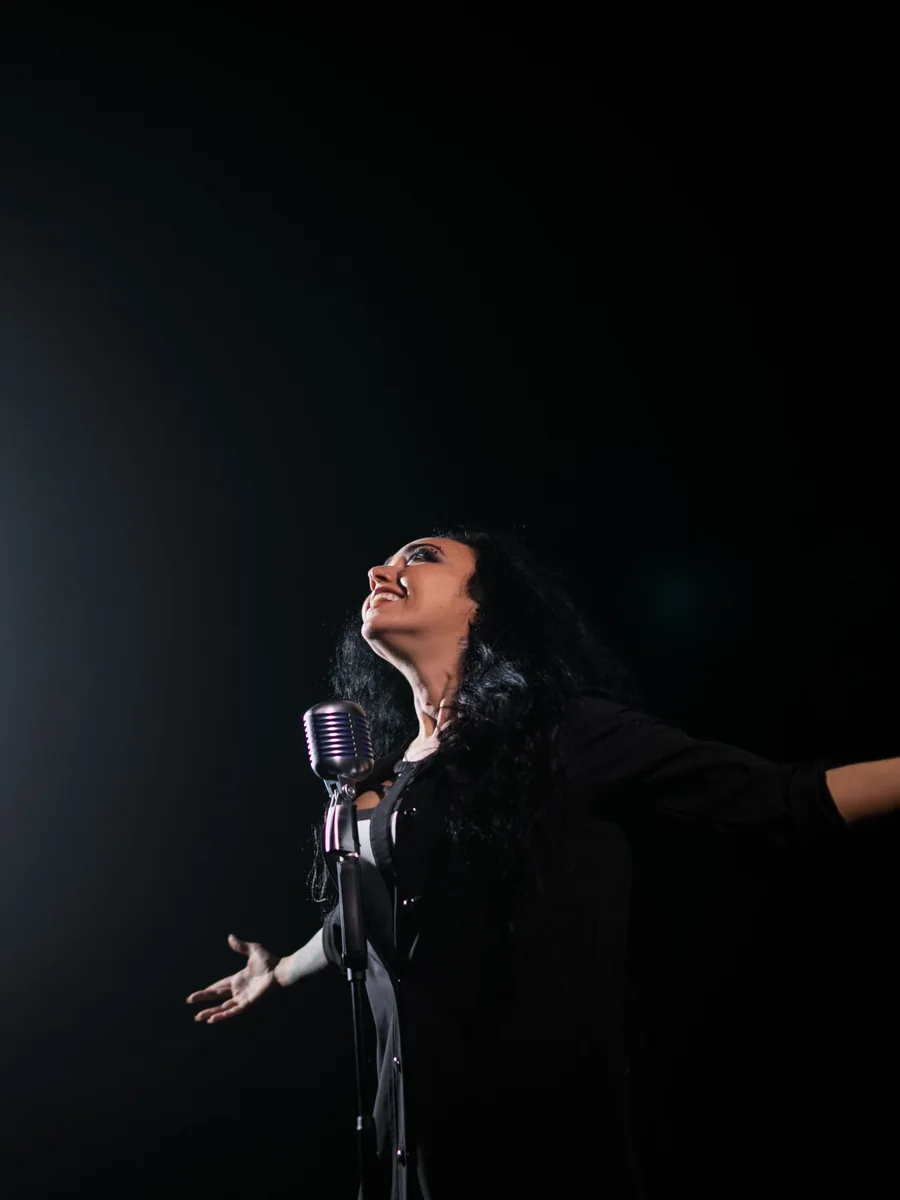
A flamenco singer performing passionately under a stage spotlight against a dark background

Cante

The voice leads. A cantaor or cantaora sits with the guitarist and calls the compás before a dancer ever stands — Camarón de la Isla is said to have sung on this stage at thirteen, years before his name meant anything outside Andalusia. The heavier palos, soleá and seguiriya, carry the most weight; bulerías and tangos let the room breathe.

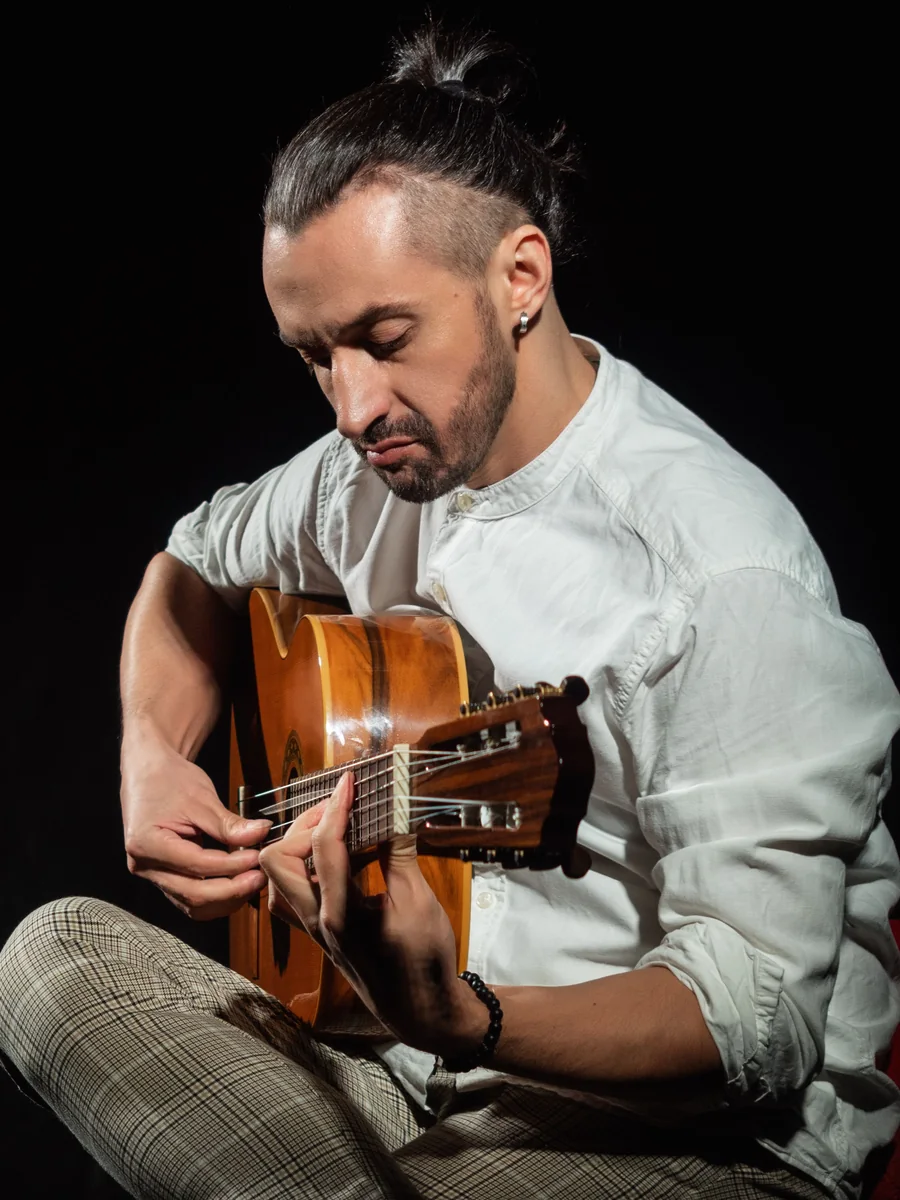
A flamenco guitarist playing a classical guitar, lit against a black background

Toque

The guitar does two jobs at once: it follows the singer's compás and it sets up the dancer's next move. Paco de Lucía is said to have played an early version of "Entre Dos Aguas" on this stage before it opened his 1973 album Fuente y caudal — a reminder that the tablao has been where flamenco is tried out, not just performed.

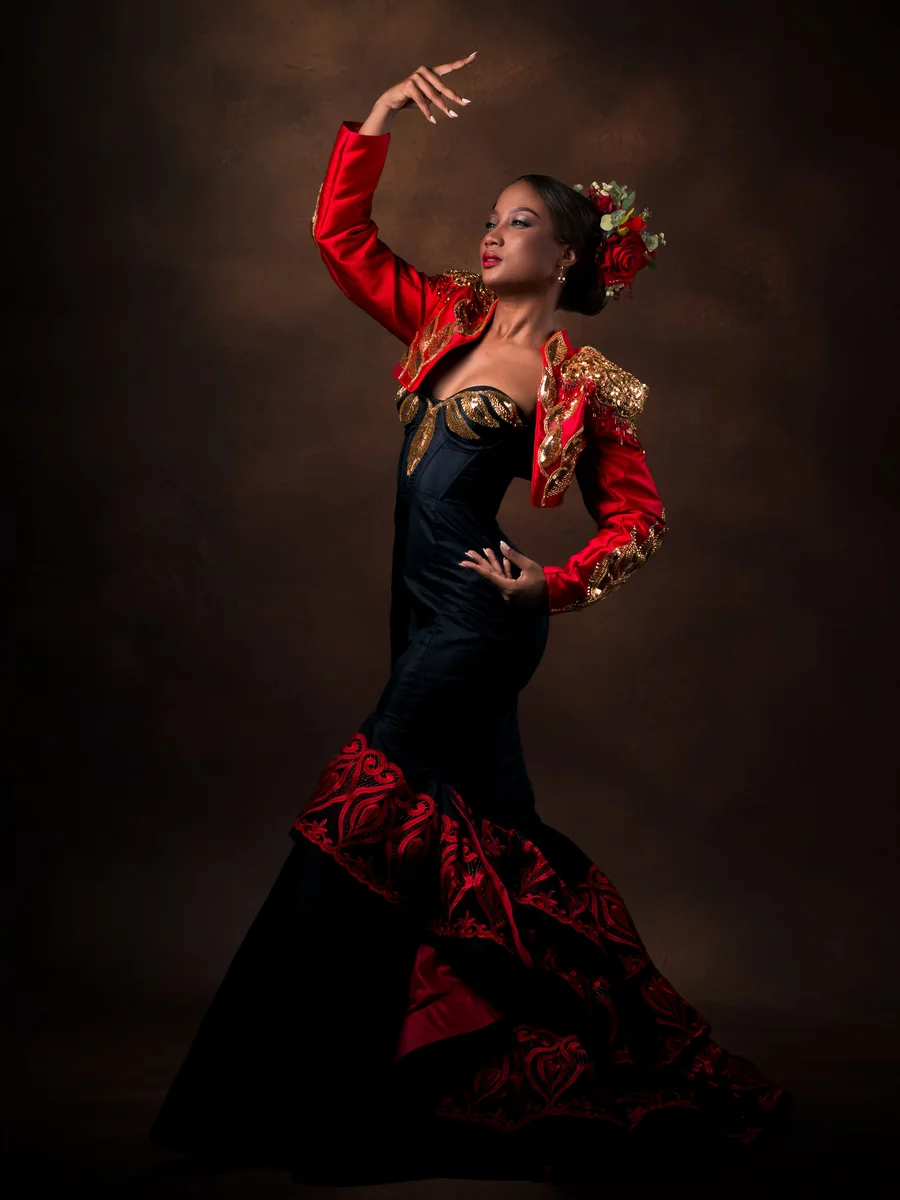
A flamenco dancer in a red and black dress mid-pose, one arm raised, against a dark studio background

Baile

The dance answers the cante and the toque rather than leading them, which is why a tablao show reads differently from a theatre production built around choreography. Names who danced here read like a history of the art form: Antonio Gades, La Chunga (who made her Madrid debut on this stage in 1956), Mario Maya, El Güito, Manuela Vargas.

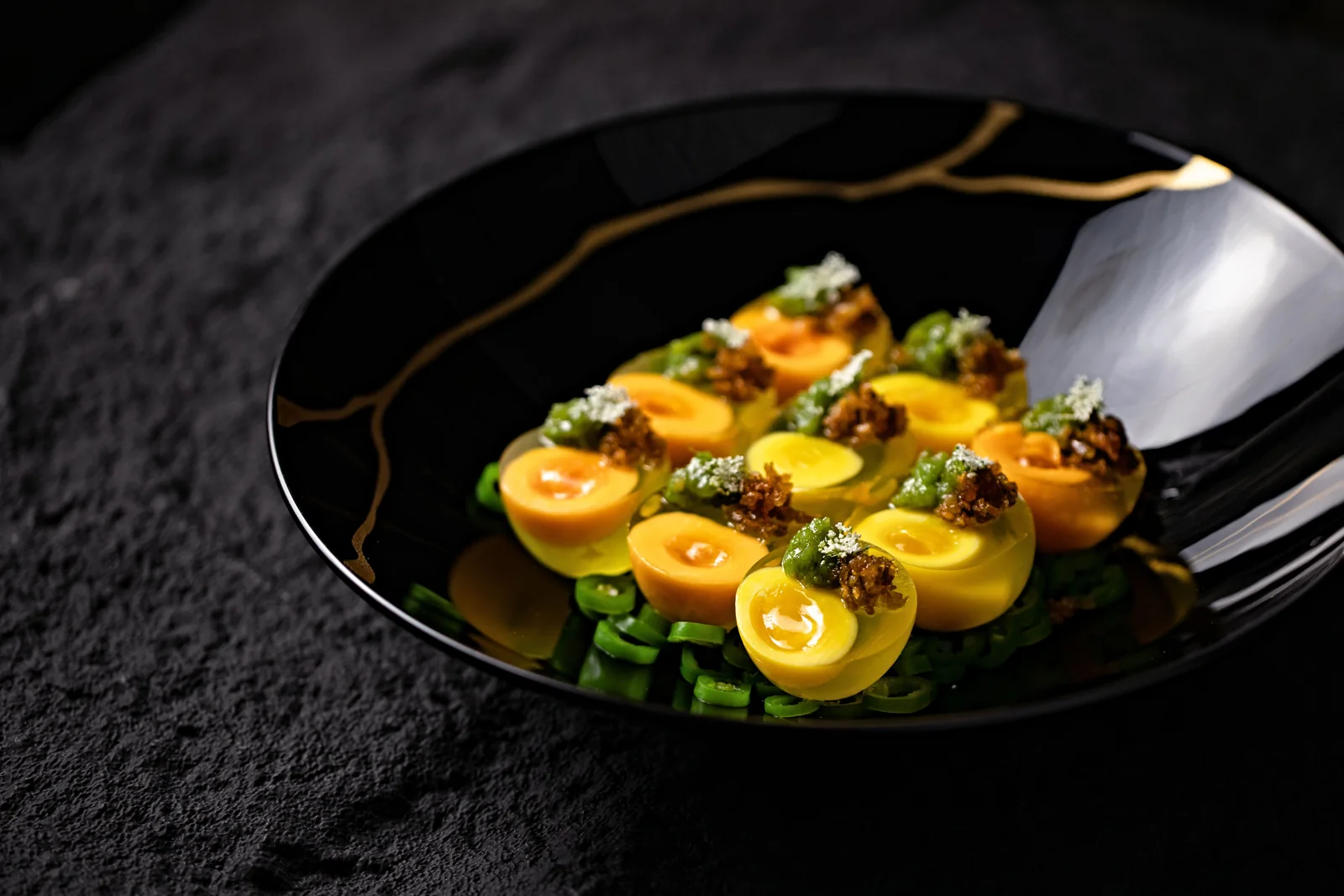
A precisely plated modern dish on a black plate against a dark slate surface

From a drink to the tasting menu

The tablao room and the Michelin-starred restaurant share the same address but run as two separate operations — know which one your ticket is for before you book.

Show only
The base ticket: a seat for one of the two nightly sittings, with an optional drink at extra cost and no food service.
Show with dinner
A three-course dinner option, with half a bottle of wine per person and mineral water, served in the tablao room itself and timed around the performance rather than the stage between plates.
The tasting menu, separately
Corral de la Morería Gastronómico is a four-table, eight-seat restaurant run by chef David García under its own Michelin star, with its own tasting menu called Compás — a different booking from the tablao show.
Flag dietary needs early
Menus are locked in once you choose a tier, so flag allergies or dietary needs on the GetYourGuide booking — changes can't be made once you're seated.

Getting there, timing, dress

Finding La Latina

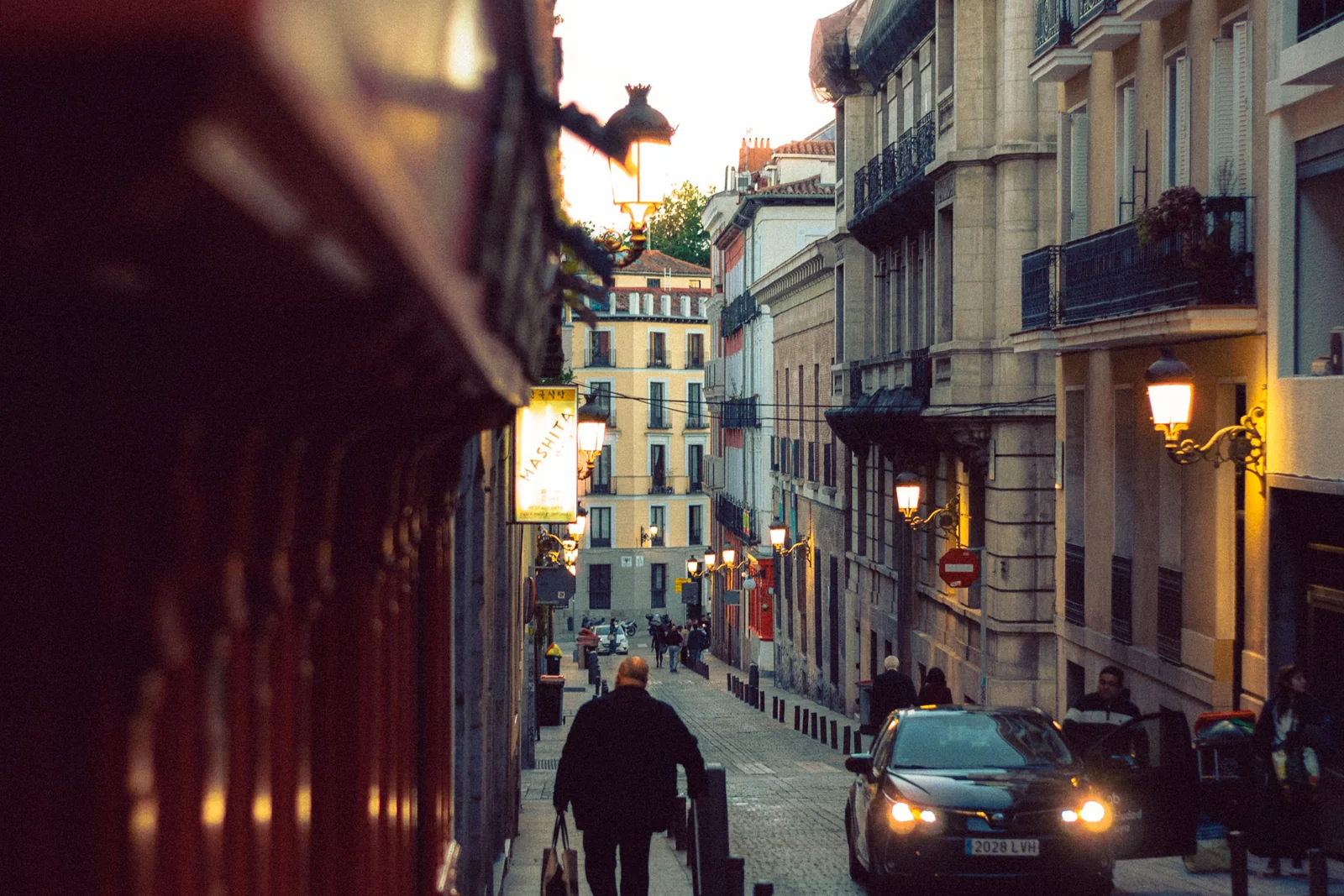
Corral de la Morería sits on Calle de la Morería, in La Latina, a short walk from La Latina and Sol metro stations, in the tangle of lanes below the Royal Palace and above the Rastro market.

Which sitting to pick

The two shows run at 20:30 and 22:20 (confirm on the night you book, as times can shift). The earlier sitting suits an evening that still has somewhere to go afterwards; the later one suits a quieter room after most tourist groups have moved on.

Arrive with time to spare

Tables are assigned, but the room is small and fills close to showtime — arriving fifteen to twenty minutes ahead avoids being seated last, especially for a dinner booking.

What to wear

Smart casual is the house norm — this is the most dressed-up tablao in Madrid, so a collared shirt or a dress will feel more at home than shorts and trainers, particularly for the restaurant.

A cobbled old-town Madrid street at dusk, lit by wall lanterns

Choosing a Madrid tablao

Choosing a Madrid tablao

TablaoWhat the room is likeGood to know
Corral de la Morería (this site)Madrid's oldest tablao and the world's only Michelin-starred tablao; roughly 140 seats, two sittings a nightFrom US$57 · La Latina · corraldelamoreria.com
Tablao CardamomoA smaller room near Puerta del Sol, open since 1994 and a launchpad for names including FarruquitoSee cardamomotablao.com
Tablao Las TablasAn artist-run room of about 85 seats at Plaza de España, with the biggest stage of the threeSee lastablastablao.com
A free peña or street setAmateur or semi-professional flamenco in a bar, club or square — no reservation, no guaranteed line-upDoesn't compete with a tablao evening — it's a different kind of night

Check tonight's seats

See which of the 20:30 or 22:20 sittings still has a table on your date, priced in your own currency — the booking itself happens on GetYourGuide.

For the show — a drink, dinner and the tasting-menu tiers are options on the same GetYourGuide booking.

More Madrid experiences

Other ways to spend a night in Madrid, also booked through GetYourGuide.

Read more about the evening

A first-timer's guide A night at Corral de la Morería, step by step Two fixed sittings, an assigned table and a cuadro working through several palos — what actually happens between walking in on Calle de la Morería and the last bulerías, roughly an hour later. Read the guide → The house Manuel del Rey, 1956, and the names who played here How a wooden cattle store in La Latina became the tablao every visiting flamenco name is said to ask for, and why the Michelin star awarded to its kitchen in 2019 sits on top of nearly seventy years of history. Read the guide → Understanding the show Cante, toque, baile: what you're actually watching Flamenco divides into three elements and dozens of named forms — here's what the singer, the guitarist and the dancer are each doing, and how to tell a soleá from a bulerías without a programme note. Read the guide → Eating here The kitchen: from a drink to the tasting menu Corral de la Morería runs three separate food tiers under one roof — the show on its own, a three-course dinner in the tablao room, and a Michelin-starred tasting menu next door. Here's the difference, and which one is which booking. Read the guide → Practical details Getting to La Latina, timing and what to wear Corral de la Morería sits in the oldest part of Madrid, between the Royal Palace and the Rastro — here's how to find Calle de la Morería, which of the two nightly sittings to pick, and what the house actually expects you to wear. Read the guide → Beyond the tablao Madrid evenings beyond the Morería One flamenco night rarely needs to be the only one on a Madrid trip — how Corral de la Morería compares to the city's other tablaos, and what else the capital's evenings have to offer once the last bulerías has played. Read the guide →

Questions before you book

What makes Corral de la Morería different from Madrid's other tablaos?

It's the oldest working tablao in the city, open continuously since 1956, and the only flamenco venue anywhere with a Michelin star — awarded to the separate restaurant next to the stage in 2019. Names from Antonio Gades to Camarón have performed here.

How many shows are there each night?

Two fixed sittings, at 20:30 and 22:20 (confirm on the listing for your date), rather than one long continuous show. The room is reset between them.

Is dinner included in the ticket?

Not in the base price — that covers the show only. A three-course dinner, with half a bottle of wine per person and mineral water, is an option on the same GetYourGuide booking; the separate tasting-menu restaurant is booked on its own.

Is the Michelin-starred restaurant the same booking as the tablao show?

No. Corral de la Morería Gastronómico is a four-table, eight-seat restaurant run by chef David García under its own Michelin star, booked separately from the tablao's show-with-dinner tiers.

What should I expect to see during the show?

A cuadro of singer, guitarist and dancers working through several palos — the named forms flamenco is built from, each with its own rhythm and mood, from the grave soleá to the fast, festive bulerías that usually closes the set.

What's the dress code?

Smart casual at minimum — this is the most dressed-up tablao in the city. A collared shirt or a dress will feel more at home than shorts and trainers, especially if you've added dinner.

How do I get to Corral de la Morería?

It's in La Latina, a short walk from La Latina and Sol metro stations, between the Royal Palace and the Rastro market — no need for a taxi if you're already in central Madrid.

Is it suitable for children?

There's no strict age policy published, but the room is small, seated and intended for an adult evening out — check the current guidance on the GetYourGuide listing before booking for young children.

Can I book with free cancellation?

Yes. Cancel up to 24 hours before your table starts and get a full refund through the GetYourGuide listing. Several tiers also let you reserve now and settle payment later, useful if your Madrid plans are still moving.

Madrid's oldest flamenco tablao, and the only one in the world with a Michelin star in the kitchen next door.

Check availability ↗
Check availabilityFree cancellation · Reserve now, pay later